


Introduction
Tie rod ends and rack ends are essential components of a vehicle’s steering system. They connect steering components to the wheels, helping drivers maintain accurate steering control, vehicle stability, and safe handling.
For automotive aftermarket importers, wholesalers, and distributors, sourcing high-quality tie rod ends is important for maintaining product reliability and customer satisfaction.
TopShine specializes in automotive suspension and steering parts, offering reliable replacement components for the global automotive aftermarket.
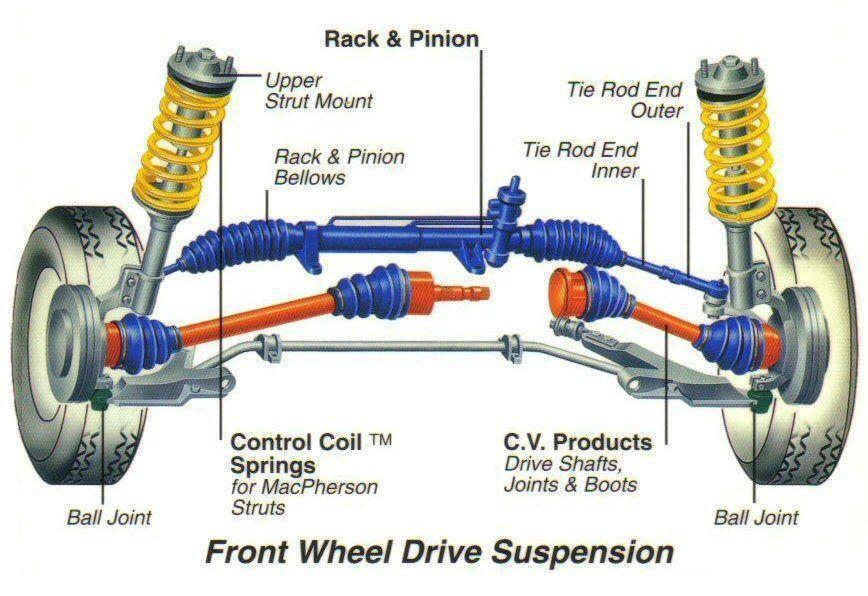
1. What Is a Tie Rod End?
A tie rod end is a steering component that connects the steering linkage to the steering knuckle, allowing the wheels to turn when the driver operates the steering wheel.
Tie rod ends typically feature a ball-and-socket joint that allows movement while maintaining steering control.
Their main functions include:
- Transmitting steering force to the wheels.
- Supporting accurate steering response.
- Allowing movement between steering components.
- Helping maintain proper wheel alignment.
- Contributing to stable vehicle handling.
2. Types of Tie Rod Ends
Automotive steering systems commonly use two main types of tie rods.
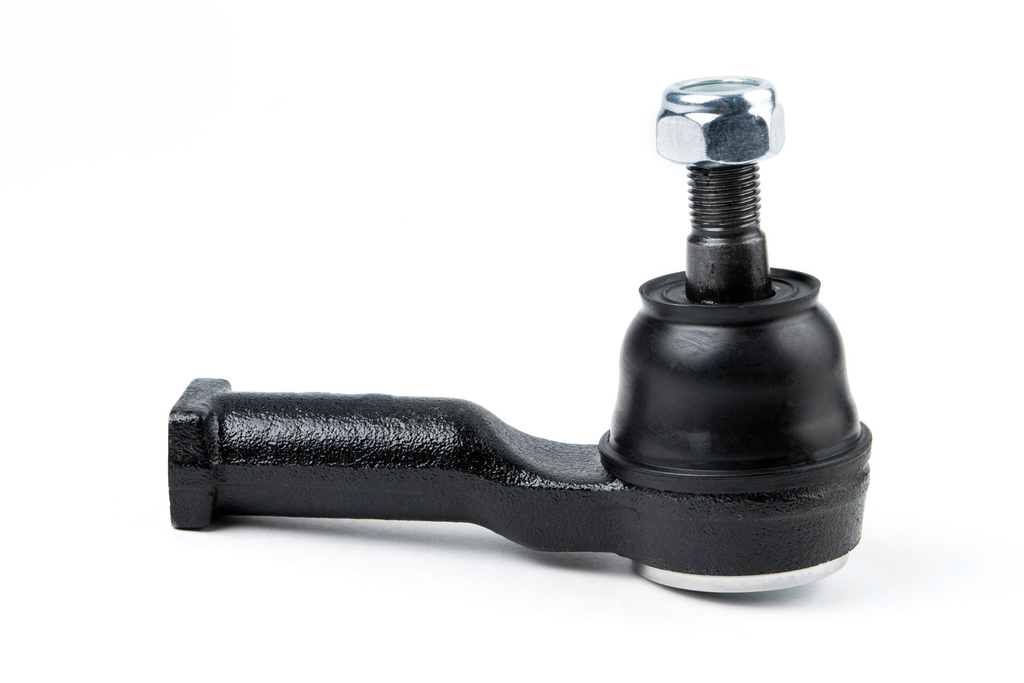
Outer Tie Rod End
The outer tie rod end connects the inner tie rod to the steering knuckle.
It contains a ball joint that accommodates steering movement and suspension articulation.
Key features:
- Ball-and-socket joint construction.
- Durable metal housing.
- Protective rubber dust boot.
- Threaded connection for steering adjustment.
Inner Tie Rod / Rack End
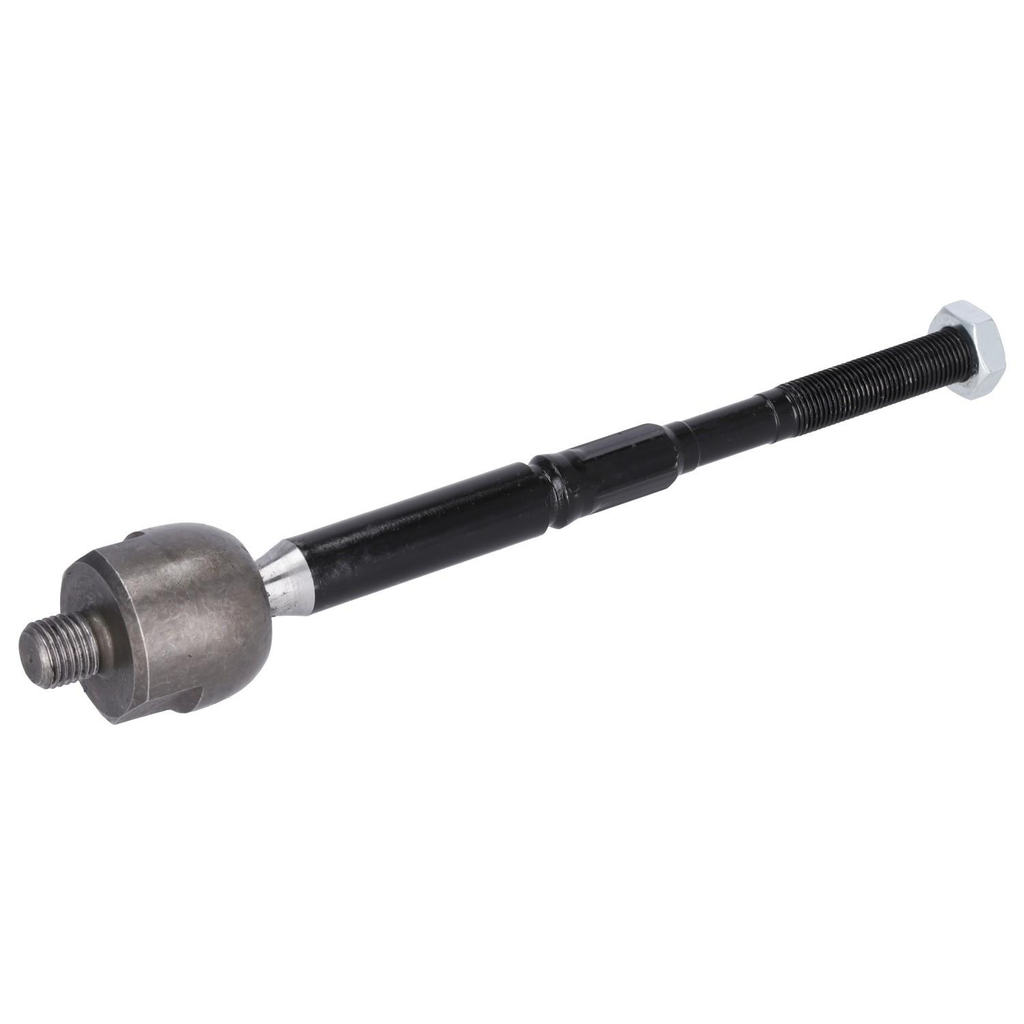
The inner tie rod, also known as a rack end or axial joint, connects the steering rack to the outer tie rod end.
It transfers steering movement while allowing the suspension and steering linkage to articulate.
Key features:
- Precision ball-and-socket design.
- High-strength metal construction.
- Accurate dimensions for OE replacement.
- Reliable steering force transmission.
Both inner and outer tie rods are important for maintaining proper steering performance.
3. Common Signs of Worn Tie Rod Ends
Tie rod ends are exposed to repeated steering movement, road vibration, and environmental conditions.
Over time, wear may affect their performance.
Common warning signs include:
Loose Steering
Worn tie rod joints may create excessive movement, resulting in less precise steering response.
Uneven Tire Wear
Excessive play in steering components can affect wheel alignment and contribute to irregular tire wear.
Abnormal Steering Noise
Knocking or clunking sounds during steering or when driving over uneven roads may indicate worn steering components.
Steering Wheel Vibration
Damaged tie rod ends can contribute to vibration or instability, although other suspension or tire problems may cause similar symptoms.
If these symptoms occur, the steering and suspension systems should be inspected by a qualified technician.
4. What Makes a High-Quality Tie Rod End?
For automotive parts distributors and wholesalers, product quality and manufacturing consistency are essential.
Several factors influence tie rod end reliability.
High-Strength Materials
Quality steel components provide the structural strength required for demanding steering applications.
Precision Ball Joint Assembly
Accurate manufacturing and assembly help ensure smooth articulation and appropriate joint performance.
Durable Dust Boots
Protective rubber boots help prevent dust, water, and road contaminants from entering the joint.
Reliable Lubrication
Suitable lubrication helps minimize friction and wear inside the ball joint assembly.
Accurate OE Specifications
Correct dimensions, threads, and mounting specifications are essential for reliable installation and vehicle compatibility.
5. How to Choose the Correct Tie Rod End or Rack End
When purchasing replacement steering parts, buyers should verify several important details.
- OE part number and cross-reference information.
- Vehicle brand, model, and production year.
- Inner or outer tie rod position.
- Left-hand or right-hand application, where applicable.
- Thread size, length, and mounting dimensions.
- Steering system configuration.
OE reference numbers help identify compatible replacement parts, but final fitment should be confirmed using the vehicle VIN or original manufacturer catalogue.
6. Why Choose TopShine as Your Steering Parts Supplier?
TopShine focuses on automotive suspension and rubber parts, supplying components for international aftermarket customers.
Our product range includes:
- Outer Tie Rod Ends
- Inner Tie Rods / Rack Ends
- Suspension Ball Joints
- Stabilizer Links
- Control Arms
- Suspension Bushings
- Engine Mounts
- Strut Mounts
We support automotive parts importers, distributors, and wholesalers with product sourcing, OE reference identification, and wholesale supply solutions.
Our focus is on dependable product quality, consistent specifications, and long-term business cooperation.
7. Tie Rod Ends for the Global Automotive Aftermarket
Tie rod ends and rack ends are important replacement components for passenger cars, SUVs, and light commercial vehicles.
For automotive aftermarket businesses, maintaining a suitable range of steering components helps meet different vehicle repair and replacement requirements.
Working with an experienced supplier can support product selection, purchasing efficiency, and inventory planning.
TopShine is committed to helping global automotive parts businesses source reliable suspension and steering components.
Conclusion
Tie rod ends and rack ends are essential for accurate steering response, vehicle stability, and reliable handling.
Choosing steering components with quality materials, precise manufacturing, and correct OE specifications is important for safe and dependable vehicle operation.
Looking for a reliable Tie Rod End and Rack End supplier?
Contact TopShine for product catalogues, OE references, wholesale inquiries, and cooperation opportunities.
Website: https://www.topshineparts.com/
YOUR SPECIALIST IN SUSPENSION & RUBBER PARTS