


Problems such as loose chassis, abnormal noise when passing speed bumps, nose‑diving during braking, high‑speed wandering, and uneven tire wear are mostly related to aging, wear or damage of car suspension parts. As the core structure of vehicle chassis, the suspension system absorbs road shocks, stabilizes the vehicle body, filters road vibrations, and guarantees precise handling. It plays a vital role in driving comfort and safety.
Many car owners tend to replace whole assemblies blindly at high repair costs, or buy low‑quality aftermarket parts which lead to recurring faults. To accurately fix suspension issues, cut maintenance costs and extend chassis service life, you need to understand core suspension components, master fault diagnosis skills and select high‑quality vehicle‑specific parts. This article shares practical knowledge about auto suspension parts to help you avoid common pitfalls in vehicle repair.
I. Main Car Suspension Parts: How Each Component Works
A vehicle suspension is not a single piece but a combination of precision components. Failure of any single part will degrade overall chassis performance. Below are the most frequently replaced suspension components:
1. Shock Absorbers & Strut Mounts
Shock absorbers are key suspension components that damp spring rebound and suppress excessive bouncing over rough roads. The strut mount connects the suspension assembly to the vehicle body, delivering cushioning, noise reduction and limiting functions. It is a fast‑wearing rubber‑metal part. Excessive bouncing over potholes, nose sagging or clunking noises across speed bumps usually result from leaking shock absorbers or cracked, worn strut mounts.
2. Control Arms & Control Arm Bushings
Control arms link wheels to the chassis, transferring driving forces and maintaining correct wheel geometry. Rubber bushings fitted inside control arms absorb vibrations and eliminate metal‑to‑metal noise. After long‑term service, bushings will harden, crack or develop excessive play, causing loose chassis feeling, vehicle pulling and rattling on bumpy roads. These are among the most common suspension failure points for passenger vehicles.
3. Suspension Ball Joints
Suspension ball joints include lower arm ball joints and tie‑rod ends. They connect suspension and steering assemblies to enable flexible wheel movement. Once the dust boot is broken, dirt and moisture get inside and accelerate wear. Worn ball joints cause stiff steering, vehicle pulling and heavy clunking sounds, which can create serious safety risks.
4. Stabilizer Links & Sway Bar Bushings
The stabilizer (sway bar) works together with stabilizer links and sway bar bushings to reduce body roll during cornering and improve high‑speed stability. Aged link bushings or worn sway bar bushings bring excessive body roll, persistent rattling on rough surfaces and noticeable body sway. They are cost‑effective wear‑and‑tear items for replacement.
5. Coil Springs & Assorted Suspension Bushings
Coil springs support vehicle weight and cushion basic road impacts, paired with various specialized bushings matching original chassis specifications. Fatigued springs or heavily aged bushings can lead to lowered ride height, uneven body height between left and right sides and poor chassis tightness. Complete replacement sets are often required to restore original driving feel.
II. Common Suspension Fault Symptoms & Corresponding Defective Parts
Many vehicle owners cannot pinpoint exact faults and end up with blind repairs. Based on real‑world chassis repair experience, here is a quick self‑check list:
- Loose chassis & wandering at high speed: Mostly caused by worn control arm bushings and other rubber bushings with excessive clearance
- Clunking noise over speed bumps or rough roads: Usually worn stabilizer links, sway bar bushings or strut mounts
- Nose‑dive under braking, squat under acceleration, continuous bouncing: Leaking or degraded shock absorbers losing damping performance
- Vehicle pulling & severe uneven tire wear: Worn ball joints or deformed control arms leading to misaligned wheel geometry
- Heavy body roll in corners & unstable highway performance: Degraded stabilizer components and failed stabilizer links
Note: Suspension parts are safety‑critical chassis components. Address minor faults promptly. Driving with defective suspension will accelerate tire wear, damage steering assemblies and create potential driving hazards.
III. Recommended Replacement Intervals for Suspension Parts
Service life varies for different suspension components, heavily affected by road conditions, driving habits and operating environment. Below are general reference cycles:
- Shock absorbers & strut mounts: 80,000‑150,000 km. Replace immediately if oil leakage, noise or abnormal bouncing occurs
- Control arm & suspension bushings: 60,000‑100,000 km. Replace when rubber cracking or excessive play appears
- Ball joints & stabilizer links: 50,000‑80,000 km. High‑wear parts; replace once noise or looseness occurs
- Sway bar bushings: 40,000‑60,000 km. Low‑cost replacement for eliminating rattling noises
Many drivers replace only the obviously broken single part. Wear spreads across connected chassis components. For high‑mileage vehicles, inspect the full set of worn suspension parts and replace aged components together to restore tight original chassis performance.
IV. Suspension Parts Buying Guide: Choosing the Right Parts Matters More Than Cheap Parts
The aftermarket is flooded with suspension parts of inconsistent quality. Cheap low‑grade parts suffer from fast rubber aging, metal deformation and poor dimensional accuracy. They often fail within months and result in repeated costly repairs. Keep these three key points in mind when purchasing:
1. Choose Vehicle‑Oriented, Model‑Specific Parts
Suspension part dimensions, parameters and mounting interfaces differ across vehicle brands, model years and trims. Always select model‑matched components for direct bolt‑on installation, preserving original chassis geometry and avoiding fitment errors, misalignment and residual noise.
2. Select Premium Materials for Long Service Life
High‑quality control arms adopt high‑strength steel or forged aluminium to eliminate internal stress, offering strong impact resistance and anti‑deformation performance. Premium bushings use high‑density durable rubber with good flexibility, anti‑aging and heat‑resistant properties, delivering much longer service life under harsh road conditions compared to cheap alternatives.
3. Insist on Precision Manufacturing & Strict Quality Testing
Genuine‑equivalent parts pass strict fatigue, compression and sealing tests. Ball joints move smoothly without jamming; rubber‑metal bushings stay firmly bonded; mounting holes maintain precise tolerances. They balance comfort and safety and avoid hidden driving risks.
V. Source High‑Quality Suspension Components From Reliable Factory Supplier
Vehicle owners and repair shops frequently face challenges: incomplete part catalogs, poor vehicle matching, inconsistent quality, inflated prices and insufficient after‑sales support. If you want one‑stop access to comprehensive, well‑fitted and reliable suspension auto parts, visit our website: https://www.topshineparts.com/
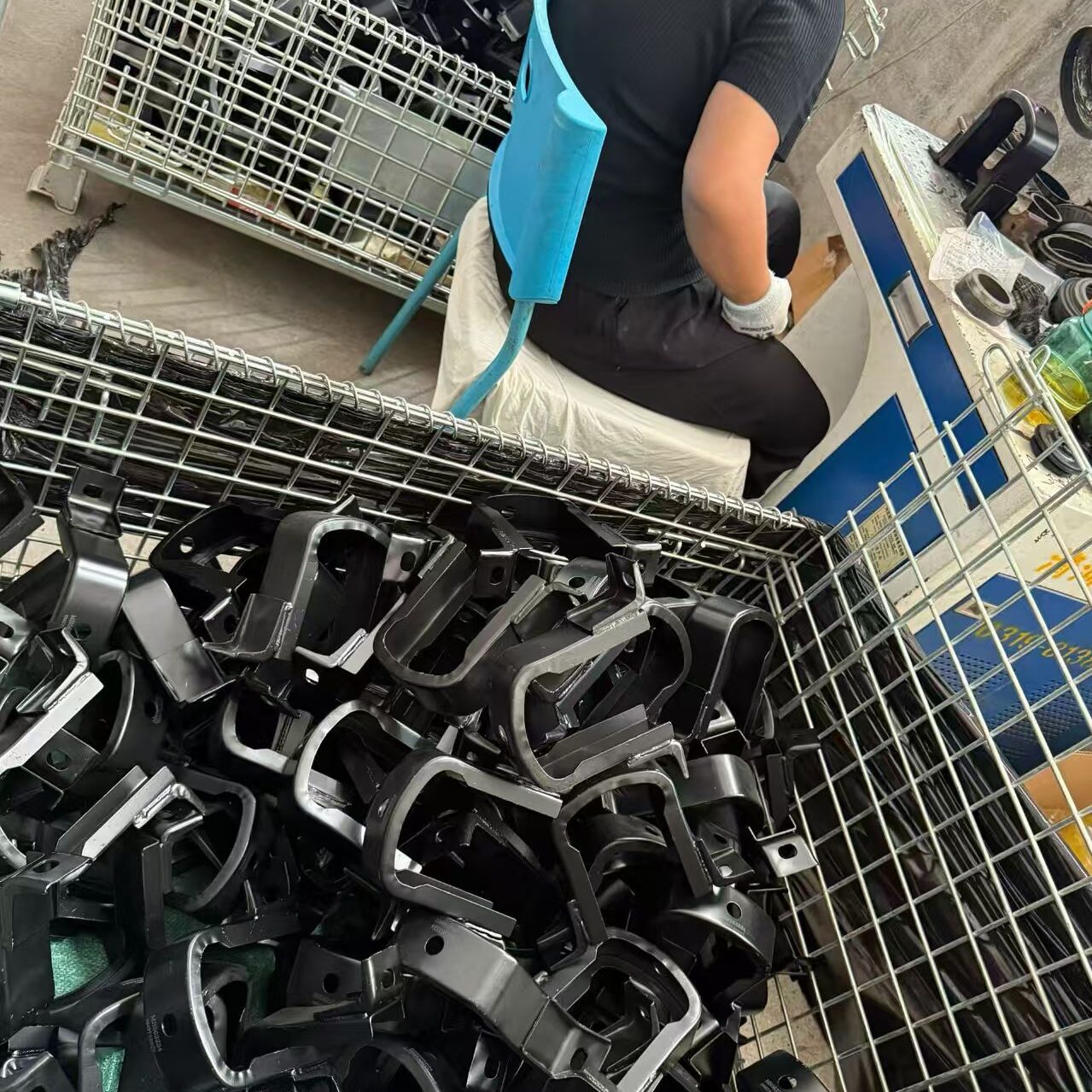
We are a professional manufacturer and supplier of automotive chassis and suspension components. Our product portfolio covers shock absorbers, strut mounts, control arms, control arm bushings, ball joints, stabilizer links, sway bar bushings and various suspension rubber‑metal bushings. We support a huge range of popular passenger cars including Japanese, Korean, European, American and Chinese domestic models with accurate OEM‑reference part numbers.
All our parts are built to OE‑level manufacturing standards and go through multi‑stage quality inspections. Our suspension parts feature superior anti‑aging performance, anti‑deformation property, noise‑free operation, precise fitment and direct bolt‑on installation. They effectively resolve loose chassis, pulling, rattling, bouncing and excessive body‑roll issues. As direct factory supplier, we cut middle‑man markup for competitive pricing. We provide solid after‑sales support, support bulk wholesale as well as OEM & ODM custom services, and serve both repair workshops and end‑users worldwide.
If you are troubled by chassis noise, loose handling, vehicle pulling or degraded ride comfort, or you need help confirming correct suspension part numbers for your car model, please visit https://www.topshineparts.com/ and contact our professional sales team. We offer free vehicle‑fitment check, fault analysis and part‑selection advice to help you source correct parts and save your repair budget.