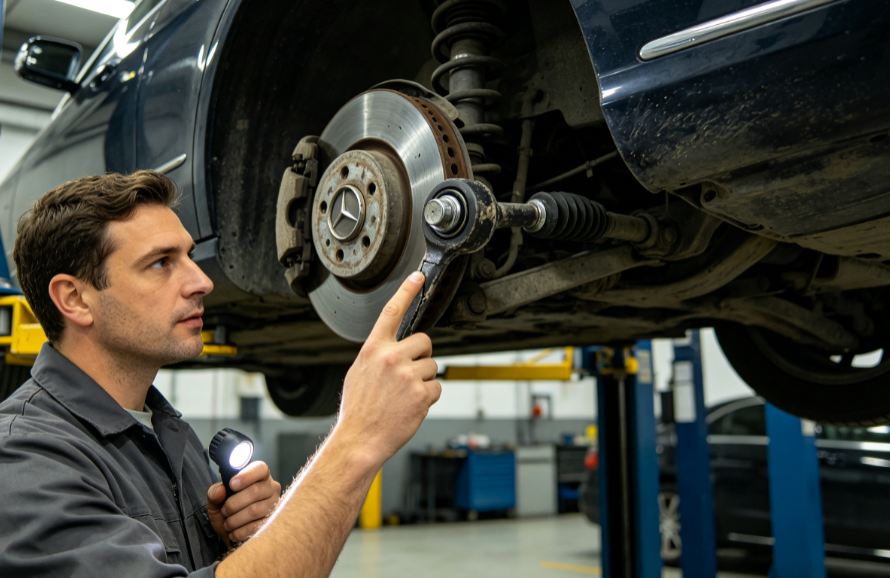

For every Mercedes-Benz owner, precise handling, stable driving performance, and premium ride comfort are the core hallmarks of the brand. However, many drivers overlook a small yet critical suspension component — the stabilizer link (sway bar link). This tiny part plays a decisive role in keeping your Mercedes stable during cornering, bumpy road driving, and high-speed cruising. Once it wears out or fails, your vehicle’s driving experience and safety will be severely compromised.
In this guide, we will break down everything you need to know about Mercedes-Benz stabilizer links, including their core functions, common failure symptoms, replacement benefits, and why our premium stabilizer links are the perfect OEM-grade replacement for your Mercedes.
What Is a Stabilizer Link & What Does It Do on Mercedes-Benz?
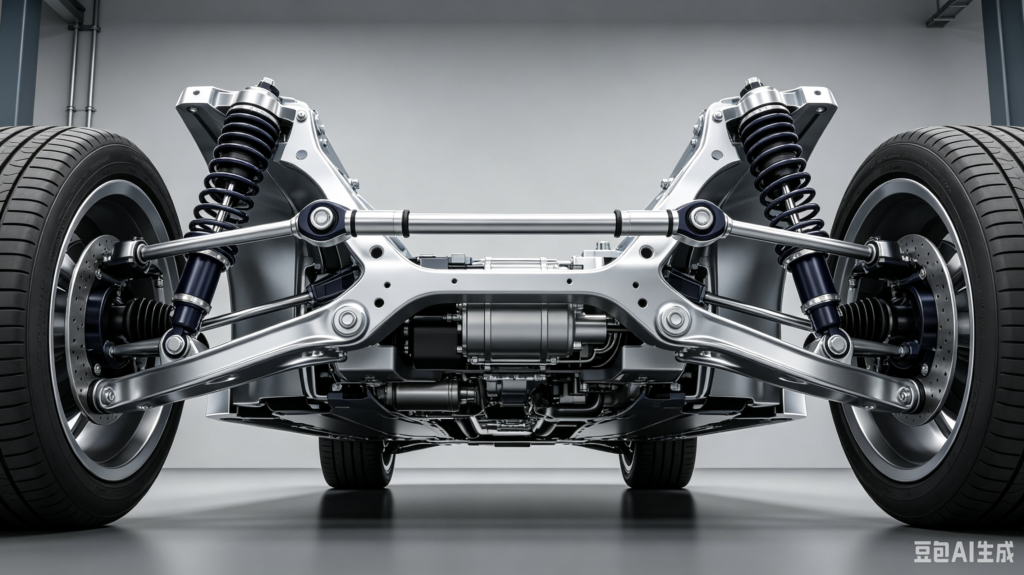
The stabilizer link, also widely known as a sway bar link or anti-roll bar link, is a key connecting component in Mercedes-Benz’s suspension system. It firmly links the stabilizer bar (anti-roll bar) to the vehicle’s suspension strut or control arm, forming a complete stable suspension structure.
Unlike ordinary suspension parts, its core function is focused on controlling body roll and balancing driving stability:
- Minimize body roll during cornering: When your Mercedes turns left or right at medium and high speeds, the stabilizer link transfers tension and pressure evenly through the stabilizer bar, effectively reducing excessive body tilt and keeping the chassis balanced.
- Stabilize driving on uneven roads: It buffers the up-and-down jitter of the left and right wheels on bumpy roads, preventing the vehicle from swaying left and right and ensuring consistent tire contact with the road surface.
- Optimize steering accuracy: A intact stabilizer link maintains precise suspension geometry, ensuring tight, responsive steering feedback — a signature driving feel of Mercedes-Benz luxury vehicles.
- Protect other suspension parts: It bears partial suspension impact force to reduce wear on control arms, ball joints, and shock absorbers, extending the overall service life of the suspension system.
6 Common Symptoms of a Faulty Mercedes-Benz Stabilizer Link
Stabilizer links are wearing parts. After long-term driving, rubber bushings age, ball joints wear loose, and metal components fatigue, leading to gradual failure. Most Mercedes drivers ignore early faults, which eventually evolve into poor handling and potential safety hazards. Watch out for these typical failure signs:
1. Clunking / Knocking Noise from the Chassis
This is the most obvious symptom. Worn stabilizer link ball joints and aging rubber bushings create gaps, causing metal-on-metal collision when passing speed bumps, potholes, or uneven roads. You will hear clear clunking or rattling sounds from the front or rear chassis, which becomes more obvious at low speeds.
2. Excessive Body Roll When Turning
If you notice your Mercedes leans far more than before during turns, feels “wallowy” and unstable, and loses the original tight chassis control, it means the stabilizer link fails to assist the anti-roll bar in working. Severe body roll will reduce driving confidence, especially during high-speed lane changes.
3. Vague & Loose Steering Response
A faulty stabilizer link disrupts the original precise suspension geometry. The steering wheel becomes vague, delayed, and less responsive, and the vehicle cannot follow your steering intentions accurately, greatly weakening Mercedes’ signature precise handling.
4. Slight Swaying During Straight-Line Cruising
At speeds above 60km/h, the vehicle occasionally sways left and right slightly on flat roads, and you need to constantly adjust the steering wheel to keep straight. This is a typical sign of insufficient support from aging stabilizer links.
5. Abnormal Uneven Tire Wear
Unstable suspension structure caused by faulty links leads to inconsistent tire stress, resulting in abnormal wear on tire edges or partial tire surfaces, shortening tire service life and increasing daily driving costs.
6. Visible Damage During Inspection
By checking the chassis, you can directly find bent link rods, cracked and aging rubber bushings, loose ball joint gaps, or surface rust and oil leakage — all intuitive signs that the stabilizer link needs immediate replacement.
Why You Need to Replace Worn Stabilizer Links Timely
Many car owners think minor chassis noise and slight swaying are not big problems, but delayed replacement will bring cumulative risks:
- Driving safety risks: Excessive body roll and unstable steering will easily cause loss of vehicle control during emergency turns or avoidance.
- Induce more expensive repairs: Faulty links will increase the load on shock absorbers and control arms, accelerating their wear and leading to higher overall maintenance costs.
- Destroy original driving texture: The loose and unstable driving experience completely abandons the stable and comfortable driving quality that Mercedes-Benz is famous for.
- Fail vehicle inspection: Severely worn suspension parts will cause the vehicle to fail safety inspection.
Our Premium Stabilizer Link for Mercedes-Benz: OEM-Quality Direct Replacement
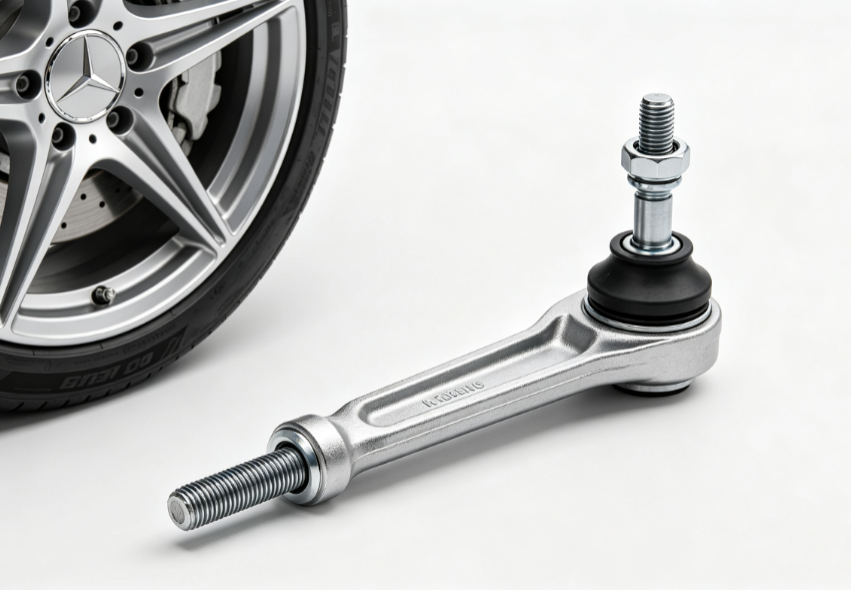
After market research and precise mold opening, our Mercedes-Benz dedicated stabilizer link is fully compatible with mainstream Mercedes models, strictly following OEM specifications. It perfectly solves all faults caused by aging original links, restoring your car’s original handling performance.
Core Advantages of Our Mercedes Stabilizer Link
- 100% OEM Standard Fit: Precise size calibration, no modification needed, direct plug-and-play replacement, perfectly matching the original car’s suspension structure.
- High-Strength Durable Material: Adopts high-tensile forged steel rod body, which is not easy to bend or deform; upgraded thickened rubber bushing features anti-aging, wear-resistant, and shock-absorbing properties, adapting to various road conditions.
- Sealed Precision Ball Joint: Fully sealed ball joint design effectively prevents dust, rainwater, and sediment from entering, avoiding abrasion and loosening, greatly extending service life compared with ordinary links.
- Stable Shock Absorption & Noise-Free: Effectively eliminate chassis clunking noise, restore tight chassis stability, and retain Mercedes’ original high-grade driving texture.
- Strict Quality Testing: All products undergo fatigue resistance, compression resistance, and high and low temperature aging tests to ensure stable performance in long-term use.
Compatible Mercedes-Benz Models (Mainstream)
Our stabilizer links cover most Mercedes-Benz mainstream chassis and models, including but not limited to:
- C-Class (W204, W205)
- E-Class (W212, W213)
- A-Class / B-Class / CLA / GLA / GLB
- S-Class (W221, W222)
- CLS-Class (W218)
- GLC / GLE / GLK SUV Series
We support customized OEM part number matching to ensure accurate compatibility for your specific Mercedes model.

FAQs About Mercedes-Benz Stabilizer Link
Q1: How often should I replace the Mercedes stabilizer link?
Generally, replacement is recommended every 50,000-80,000 kilometers. If you often drive on bumpy roads, the aging speed will be faster, and inspection and replacement are needed in advance.
Q2: Is it necessary to replace front and rear links at the same time?
It is recommended to replace the left and right links on the same axle simultaneously to ensure consistent suspension stress and balanced driving performance, avoiding new jitter and instability caused by inconsistent aging degree of old and new parts.
Q3: Can a faulty stabilizer link affect braking?
Yes. Unstable chassis will cause the vehicle to sway slightly during braking, affecting braking stability and extending the braking distance in severe cases.
Final Words
The stabilizer link is a small but indispensable guarantee for Mercedes-Benz’s stable handling and safe driving. Don’t ignore subtle chassis noise and slight body sway — timely replacement of aging stabilizer links can restore your car’s original premium driving feeling, avoid potential safety hazards, and save more long-term maintenance costs.
If you are looking for high-quality, perfect-fit OEM replacement stabilizer links for your Mercedes-Benz, our products are your best choice. Strict quality control, durable performance, and cost-effective price help you refresh your car’s suspension performance easily!