


Most car owners and auto parts dealers overlook one small but critical auto component: car bushings. These tiny rubber or polyurethane components are installed throughout a vehicle’s suspension, steering, and drivetrain systems, acting as the “shock absorbers and connectors” between metal parts. Even the highest-performance vehicles will suffer from poor handling, loud noise, and accelerated part wear if equipped with worn or low-quality automotive bushings.
For global auto parts wholesalers, repair shops, and individual car enthusiasts, understanding automotive bushing types, core functions, replacement cycles, and purchasing standards is essential to select cost-effective, long-lasting parts and avoid frequent vehicle faults. This guide covers all key details you need to know about car bushings.
What Is a Car Bushing? Core Functions Explained
A car bushing is a flexible cylindrical fitting used to separate, connect, and buffer metal automotive components. Unlike rigid metal parts, bushings feature elastic properties that solve the fundamental problem of metal-to-metal friction and collision during vehicle operation. They are widely known as the “quiet protector” of vehicle chassis systems.
The three core functions of premium automotive bushings:
1. Vibration Isolation & Shock Absorption
When driving on bumpy roads, vehicle chassis generates intense vibration. High-quality suspension bushings absorb and disperse road shock, preventing vibration from spreading to the car body and cabin. This drastically improves driving comfort and stabilizes the vehicle’s overall posture.
2. Noise Reduction
Worn metal-on-metal contact produces harsh creaks, rattles, and clunks during acceleration, braking, or turning. Intact rubber and polyurethane bushings eliminate rigid collision noise, maintaining a quiet cabin environment for daily commutes and long-distance driving.
3. Component Protection & Wear Resistance
Bushings bear most friction and extrusion pressure between chassis parts. They effectively reduce abrasion on control arms, sway bars, steering knuckles, and other expensive metal components, extending the overall service life of the vehicle’s suspension and steering systems and lowering long-term maintenance costs.
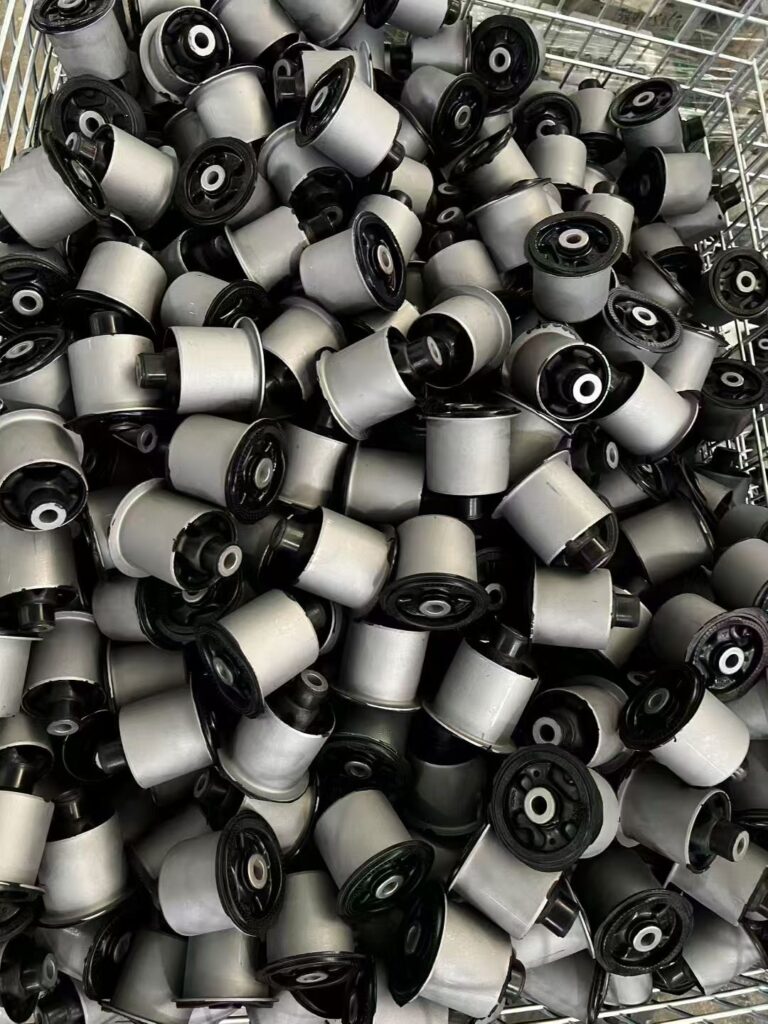
Common Types of Automotive Bushings (Material & Application)
Car bushings are classified mainly by material, with each type suited for different vehicle models, driving scenarios, and aftermarket modification needs. Choosing the right rubber bushing for cars directly determines driving performance and durability.
1. Rubber Bushings (OEM Standard)
Rubber bushings are the original factory standard for most passenger cars, SUVs, and light trucks. Made of high-density natural or synthetic rubber, they feature excellent flexibility, strong vibration damping, and low noise performance.
Pros: Affordable price, superior comfort, strong shock absorption, no harsh driving feel Cons: Prone to aging, cracking, and deformation under long-term high temperature and pressure Best for: Daily family cars, commuter vehicles, mainstream civilian models
2. Polyurethane (PU) Bushings (Aftermarket Upgrade)
PU bushings are the top choice for vehicle modification and heavy-duty use. With higher hardness and toughness than rubber, they resist compression and deformation far better.
Pros: Ultra-durable, anti-aging, high stability, improved steering precision, reduced chassis looseness Cons: Slightly firmer driving feel, higher cost than rubber bushings Best for: Modified vehicles, pickup trucks, heavy-duty SUVs, commercial vehicles, racing cars
3. Metal & Composite Bushings (Heavy-Duty Industrial Use)
Metal and metal-rubber composite bushings feature extreme pressure resistance and structural stability. They are mainly used in heavy trucks, engineering vehicles, and high-load automotive drivetrain parts to withstand extreme friction and impact.
Key Signs of Worn Car Bushings (When to Replace)
Most car bushings have a service life of 50,000 to 100,000 kilometers. Harsh road conditions, frequent heavy loading, and extreme temperatures will accelerate aging. You need to replace your automotive bushings immediately once the following symptoms appear:
- Abnormal chassis noise: Obvious creaking or rattling from the chassis when turning, braking, or passing speed bumps
- Loose steering: Delayed steering response, floating vehicle body at high speeds, reduced driving stability
- Uneven tire wear: Aging bushings cause chassis displacement, leading to abnormal tire friction and shortened tire life
- Excessive vibration: Obvious cabin vibration during acceleration or idling that did not exist before
Delaying bushing replacement will not only ruin driving experience but also cause secondary damage to suspension parts, resulting in higher repair costs.
How to Choose High-Quality Car Bushings? Global Buyer’s Guide
For overseas auto parts distributors, offline repair shops, and cross-border sellers, selecting reliable car bushings is the key to improving product reputation and customer satisfaction. Follow these 4 core standards:
1. Match Material with Usage Scenarios
For civilian daily vehicles, choose standard high-quality rubber bushings for optimal comfort and cost performance. For modified, heavy-duty, and commercial vehicles, prioritize upgraded PU bushings to ensure durability and driving stability.
2. Strict Production & Quality Certification
Premium automotive bushings must pass strict quality testing, including anti-aging, compression resistance, and high and low temperature resistance tests. Qualified parts feature precise sizing, tight fit, no deformation after long-term use, and fully comply with international auto parts industry standards.
3. Complete Model Compatibility
Regular manufacturers support full model coverage, including mainstream European, American, Japanese, and Korean vehicles. Complete specifications ensure buyers can find matching suspension bushings for any vehicle model, reducing inventory pressure and matching errors.
4. Cost-Effective Bulk Supply
For global wholesale buyers, choose manufacturers with stable supply chains and batch production capabilities. High-quality bushings with factory direct prices, long service life, and low failure rates can effectively reduce after-sales problems and improve profit margins.
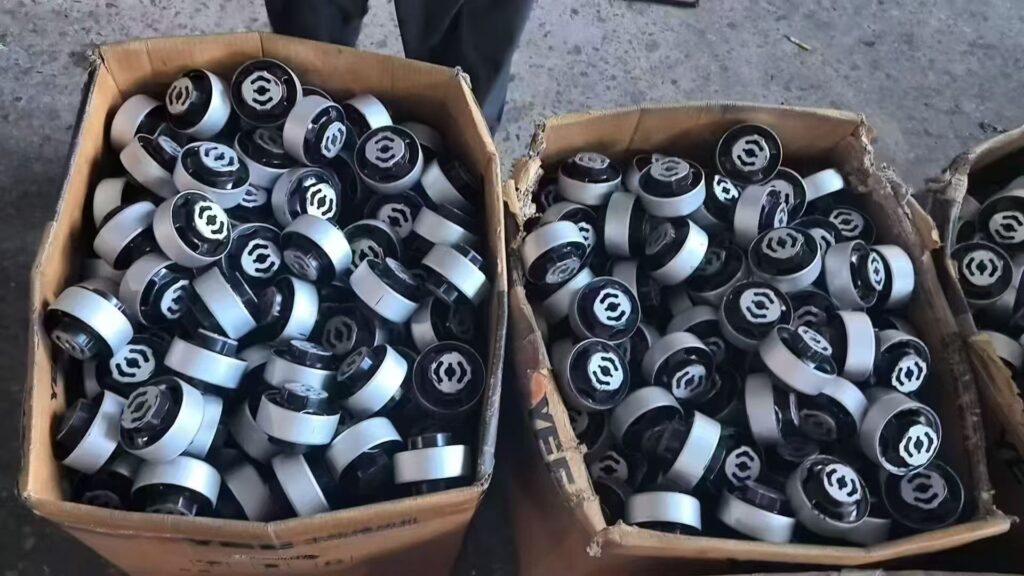
Why Upgrade & Replace Your Car Bushings Regularly?
Many car owners ignore bushing maintenance because they are small and low-priced parts. In fact, automotive bushings determine the core performance of the vehicle’s chassis system. Replacing aging bushings regularly can restore the vehicle’s original driving texture, improve steering accuracy, reduce driving noise, and protect expensive chassis components.
For auto parts merchants, stocking high-quality rubber bushings for cars and PU upgrade bushings is a low-investment, high-demand business. With universal applicability and high repurchase rate, car bushings are essential hot-selling products for overseas auto parts retail and wholesale.
Final Words
As an indispensable core component of automotive chassis systems, car bushings play an irreplaceable role in vibration reduction, noise reduction, and component protection. Whether for personal vehicle maintenance or global auto parts wholesale business, mastering bushing types, replacement cycles, and purchasing skills helps you avoid low-quality products and achieve better driving experience and commercial benefits.
If you are looking for durable, cost-effective, full-specification automotive suspension bushings and rubber car bushings, we provide global wholesale, customized processing, and fast delivery services for all types of auto bushing parts.